
Short answer: the machine is often the cheap part, and the manufacturer knows it. Aesthetic equipment runs on the same economics as printers and razors — sell the platform close to cost, then earn on the supplies only your platform accepts. That is a legitimate business model, but it transfers your per-treatment cost to somebody else's pricing team. This is how to tell which side of that trade you are on before you sign, and what to ask for in writing.
Three Patterns of Consumable Dependence
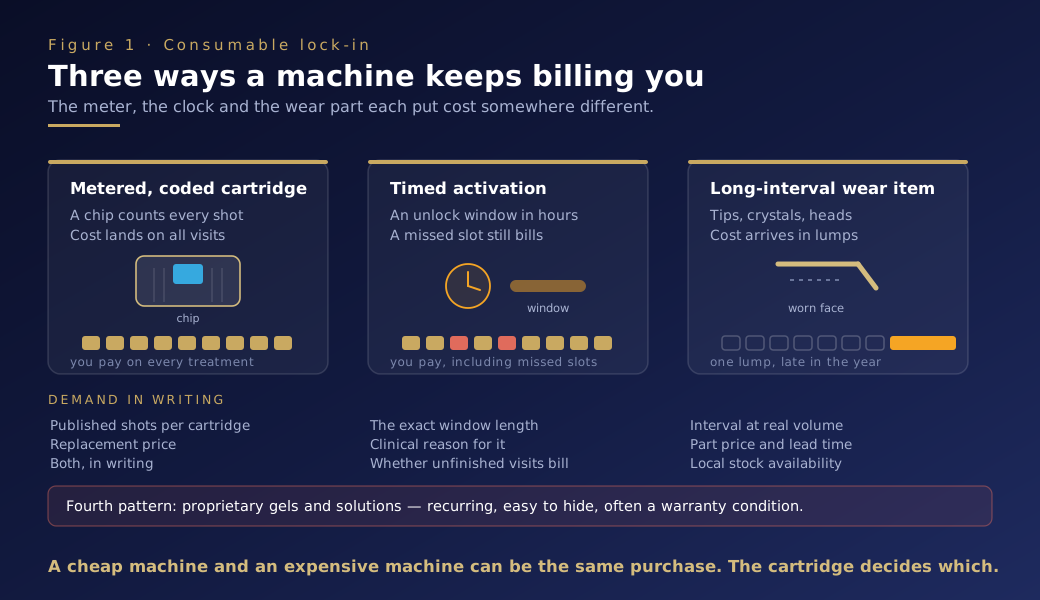
They behave differently and they need different questions.
Metered, coded components
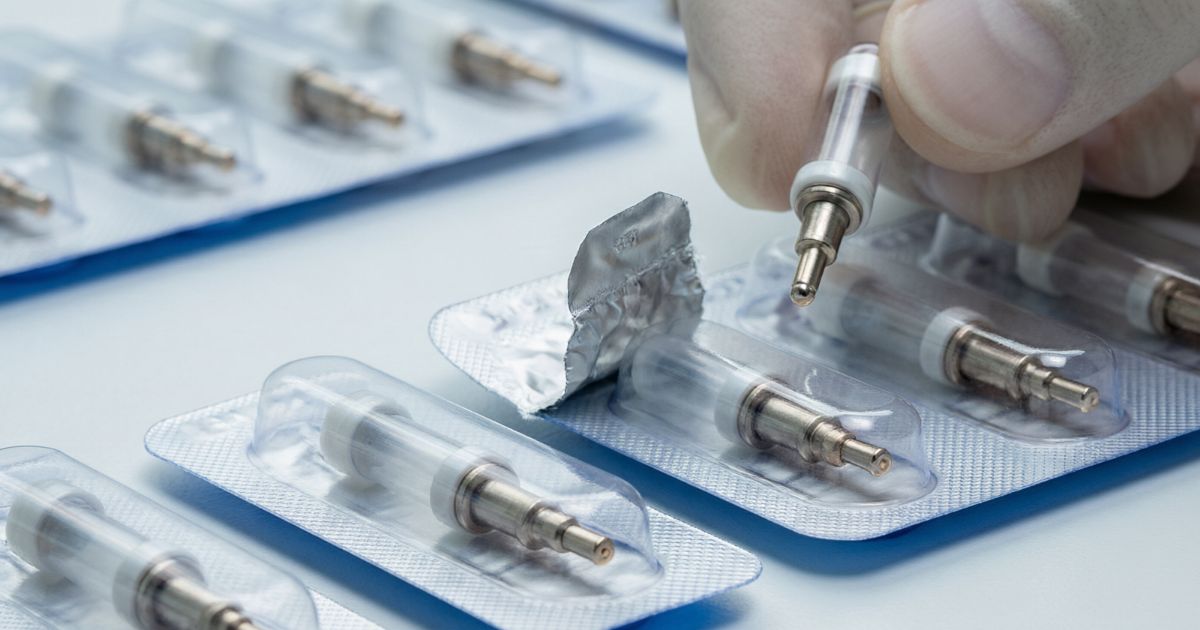
An applicator or cartridge the machine counts and authenticates. Shot-counted HIFU transducers and laser handpieces usually live here. The cost is transparent while the pack is sealed and becomes opaque the moment the machine rejects a third-party alternative.
The question: how many treatments does one cartridge deliver, what does a replacement cost today, and is that price fixed for the life of my machine or revised at the supplier's discretion?
Timed activation
The harshest version. A component that starts a countdown when opened, so a no-show client converts a paid consumable into waste. Some treatment protocols genuinely need this — an opened sterile field has a real shelf life. A countdown on a dry cartridge is a different thing wearing the same clothing.
The question: does this component expire once opened, and if so, on what clinical grounds? A supplier who answers with "that is how the machine works" has answered the commercial question, not the medical one.
Wear items on a long interval
Filters, cooling media, lamps, crystals, gaskets — replaced on a schedule rather than per client. Low unit cost, occasionally significant, and the category buyers forget entirely because nothing invoices them monthly.
The question: what is the replacement interval at my expected weekly volume, and is the part stocked in my country or sourced from the factory?
| Pattern | Where the money goes | What to demand in writing |
|---|---|---|
| Metered coded cartridge | Every treatment, forever | Published shots per cartridge and replacement price |
| Timed activation | Every cancelled or unfinished appointment | Clinical justification and the exact window |
| Long-interval wear item | Unpredictable lumps | Interval at volume, part price, local stock availability |
| Proprietary solutions or gels | Recurring, easy to hide | Whether third-party products are permitted and under what warranty terms |
How to Price the Trap Before You Fall Into It
Take the consumable cost per treatment and express it as a share of the price you charge for that treatment. That ratio is the number that decides whether the service is worth running, and it is the one a quote never shows you.
- A low ratio gives you room to promote the treatment, run introductory offers, and absorb a no-show without the appointment going negative.
- A high ratio means your margin belongs to the consumable supplier, and any pressure on your pricing — a competitor, a discount platform, a slow season — lands directly on you.
- Either way, model it at your realistic ticket price, not the one in the supplier's presentation.
Then multiply by the life of the machine. A modest per-treatment difference across five years and thousands of clients is a second machine.
Red Flags Worth Walking Away From
- No published shot count or treatment yield for the cartridge. If the figure does not exist in writing, the cost cannot be calculated, and an uncalculable cost is not a low cost.
- The machine refuses consumables that are technically identical, with no safety rationale.
- Consumable prices are described as "current" with no commitment, while the machine is sold on a five-year payback.
- Spare parts and consumables available only from a single entity with no stated supply window.
- A warranty that voids the moment a third-party consumable is fitted, including ones the manufacturer does not make.
What a Fair Version of This Looks Like
Metering is not inherently dishonest. Focused ultrasound transducers degrade with use, and a published life lets both sides plan — you get predictable cost per treatment, we get to state a performance envelope honestly. The problem is not the count; it is the opacity.
Our own position, so you can compare it against whatever you were told: cartridge and handpiece life are stated on the product pages rather than withheld until after purchase — SYNCHROLIFT HIFU-RF ELITE, the LINKETS HIFU range and KOLI-HIFEM all publish their configuration. Facial platforms such as KOLI-FACIAL are specified by tip and solution workflow for the same reason. Consumables ship from the factory that built the machine, so the price is not carrying two intermediary margins, and the 36-month parts and labour warranty is written so that normal consumable replacement is not treated as a warranty event.
Ask any supplier to match that structure in writing. Most will. Some cannot, and the reason they cannot is the thing you were about to buy.
Where This Belongs in Your Buying Process
Consumable independence is one row of a wider evaluation, and it is worth weighting alongside documentation, service and menu fit rather than judging a machine on price alone. Our procurement scorecard puts it at twenty points out of a hundred for exactly that reason, and the cost-of-ownership guide shows where the resulting figure goes in a per-treatment calculation.
If you already hold a quote and want the consumable line pressure-tested, send it over. Tell us the cartridge price, the published yield and your weekly volume, and we will show you the five-year number — including, when it comes to that, on machines we did not build.
Frequently Asked Questions
Why do metered cartridges make a cheap machine expensive?
Because the machine price is paid once and the consumable is paid every treatment for the life of the asset. A platform sold near cost recovers its margin through cartridges only it will accept, so your recurring cost is set by the supplier's pricing team rather than your own. Modest per-treatment differences across thousands of clients add up to a second machine.
What is consumable lock-in?
Any design that makes the machine accept only the manufacturer's supplies. Three patterns: metered coded components the machine authenticates and counts; timed activation that starts a countdown when a pack is opened, so a cancelled appointment becomes waste; and long-interval wear items like filters, lamps and gaskets that buyers forget because nothing invoices them monthly. Each needs a different question asked before purchase.
Can I use third-party cartridges or gels with an aesthetic machine?
Sometimes technically, rarely contractually. Check whether the warranty voids when a third-party consumable is fitted, including ones the manufacturer does not make, and ask whether generic gels or solutions are permitted and on what terms. If a machine refuses components that are technically identical with no stated safety rationale, the restriction is commercial rather than protective — and that is worth knowing before you commit.
How do I compare consumable cost between two machines?
Express consumable cost as a share of the price you charge for that treatment, at your realistic ticket rather than the supplier's, then multiply across the machine's life. A low ratio gives you room to promote and to absorb a no-show; a high ratio means any pressure on your pricing lands directly on your margin. If a supplier will not publish the shot count or yield, the cost cannot be calculated at all — and an uncalculable cost is not a low cost.