Professional Microneedling Pens (MTS)
Factory-direct microneedling pens and MTS systems for clinics, salons and distributors — collagen induction therapy for scars, pores, texture and product infusion, plus an RF microneedling platform for advanced tightening. Own-factory production with 7-level OEM/ODM customization.
What Is a Microneedling Pen?
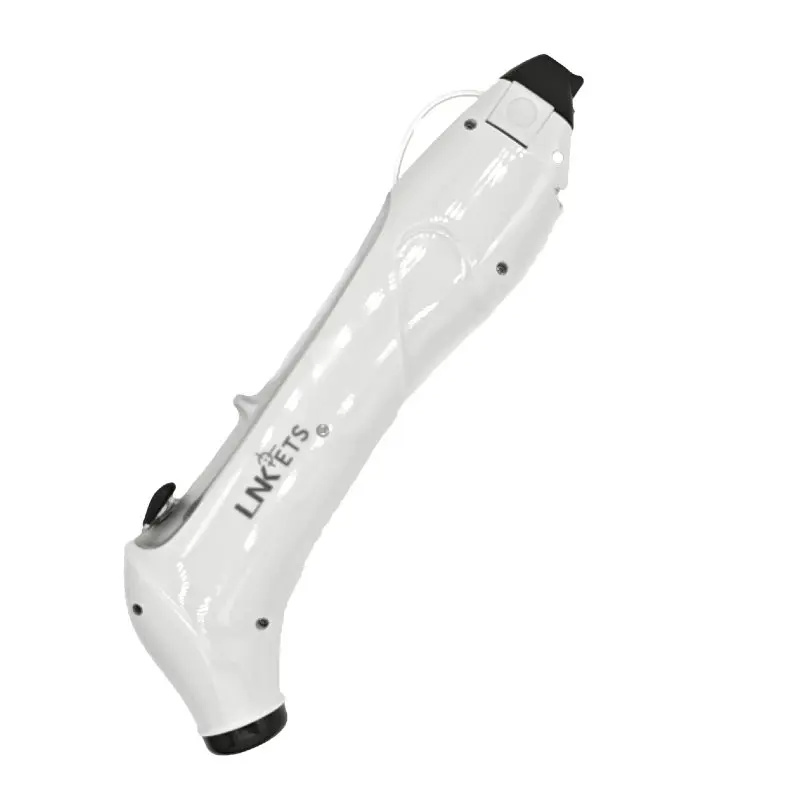
A microneedling pen — also sold as an MTS pen (mesotherapy system) — is a pen-shaped professional device that drives a sterile, multi-needle cartridge vertically into the skin at high speed. Each needle creates a controlled micro-channel in the epidermis and dermis. The skin reads those channels as injury and responds with a wound-healing cascade: new collagen, new elastin, and remodeled tissue over the following weeks. That process is called collagen induction therapy, and it is the entire basis of the treatment.
Two things make the pen format the professional standard. First, vertical needle entry: older derma rollers puncture at an angle, which tears tissue and limits depth control; a pen stamps straight down and withdraws straight up. Second, adjustable depth, typically 0.25–2.5 mm, so the same device can do a superficial infusion protocol on the forehead and a scar protocol on the cheeks in one session. Needle count and motor speed determine how uniformly the channels are spaced, which is what separates an even result from a patchy one.
The micro-channels also serve a second purpose: they dramatically increase topical absorption for the minutes before they close. That is why microneedling with serum infusion is a standard clinic protocol — the same session delivers both collagen stimulation and product delivery.
A professional microneedling machine is a different class of product from a consumer microneedling device sold for home use. Clinic units are rated for repeated sterilization cycles, hold depth calibration under load, and use single-use sterile cartridges. Consumer pens are built for occasional self-treatment at shallow depths. If you are buying to charge for the service, the duty cycle and cartridge supply matter more than the price of the pen.
The KOLIFU Microneedling Collection
Four MTS systems in production — from an entry-level handheld pen to compact portable platforms to an RF microneedling combination for advanced anti-aging protocols.
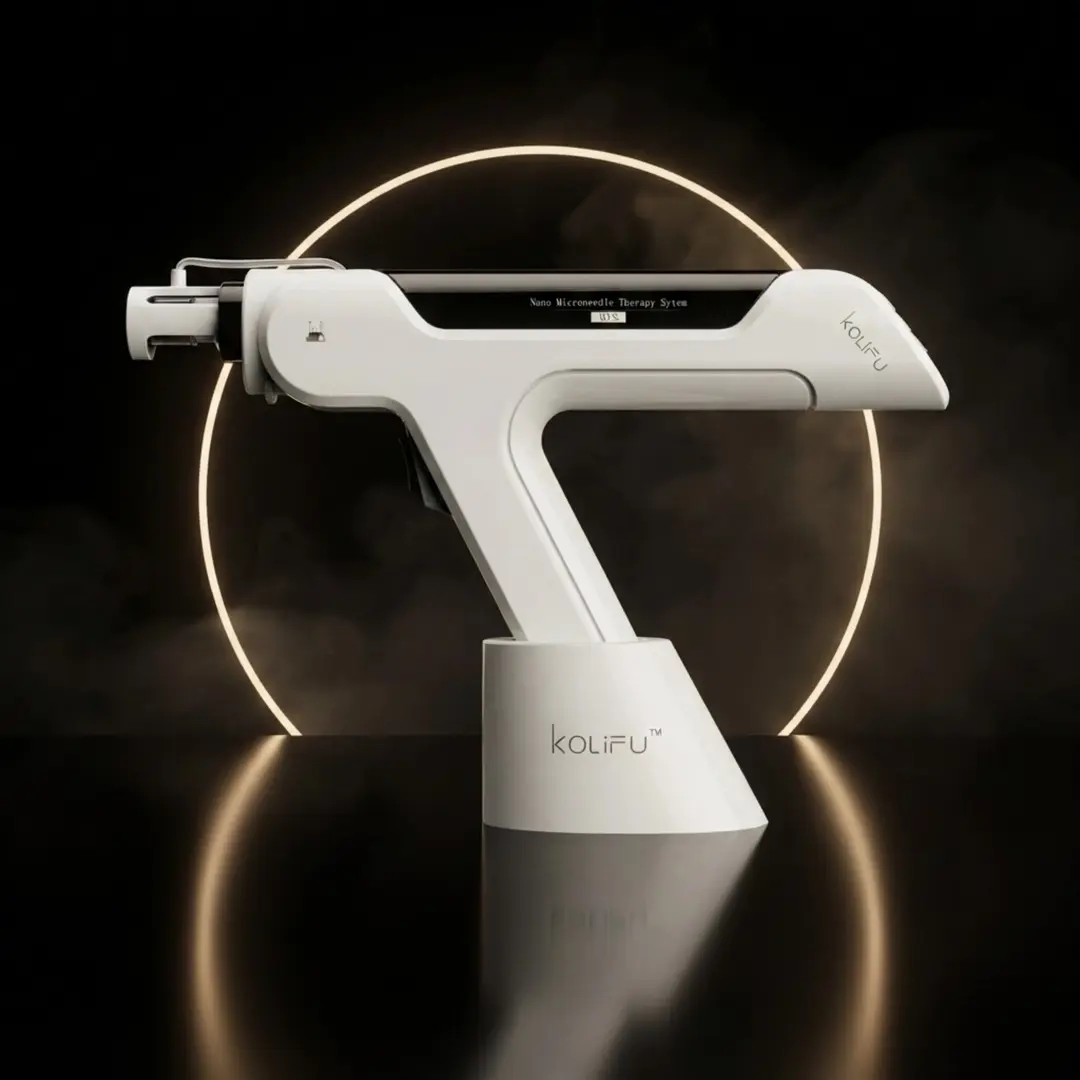
MTS COLLAGEN GUN
An affordable handheld microneedling pen for collagen stimulation treatments — the natural entry point for adding microneedling services to your menu without a capital project.
View MTS COLLAGEN GUN →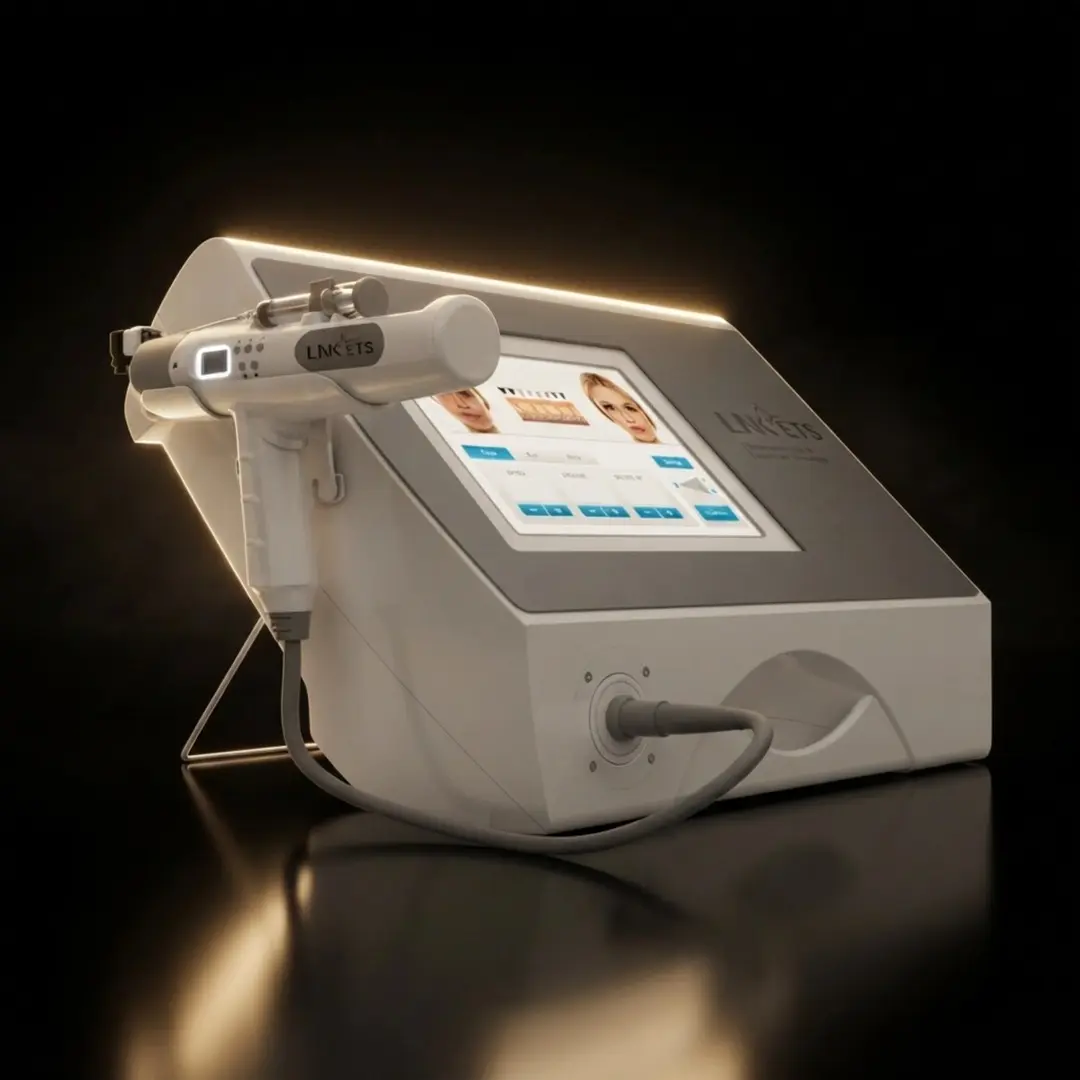
YOUNG SURE
A compact MTS treatment device for everyday skin maintenance — multi-function, easy to run and affordable, ideal as an add-on service or a second station in small studios.
View YOUNG SURE →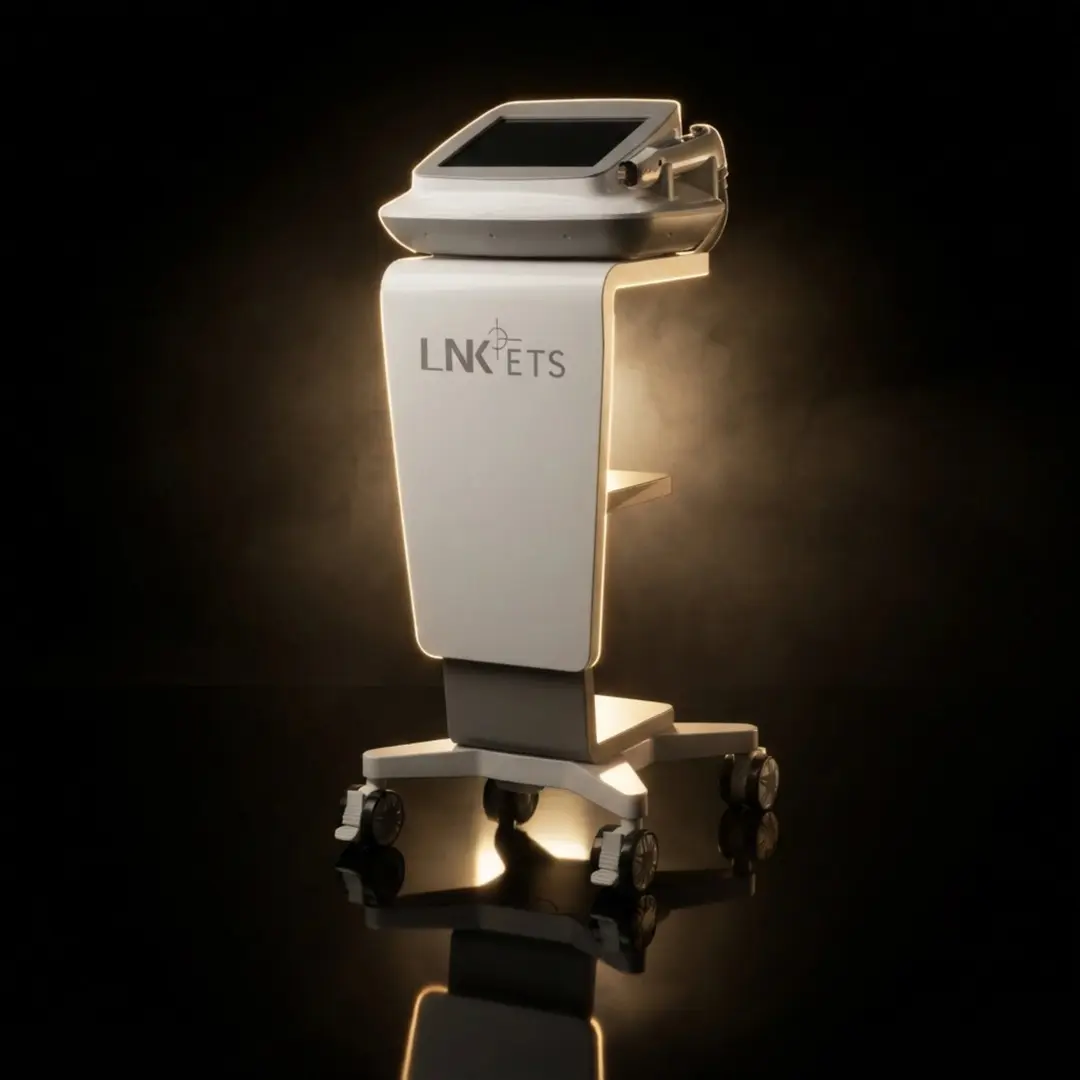
SKIN SURE MTS
A compact, portable microneedling system for collagen induction therapy — built for mobile services and small studios that want a professional MTS pen without a trolley footprint.
View SKIN SURE MTS →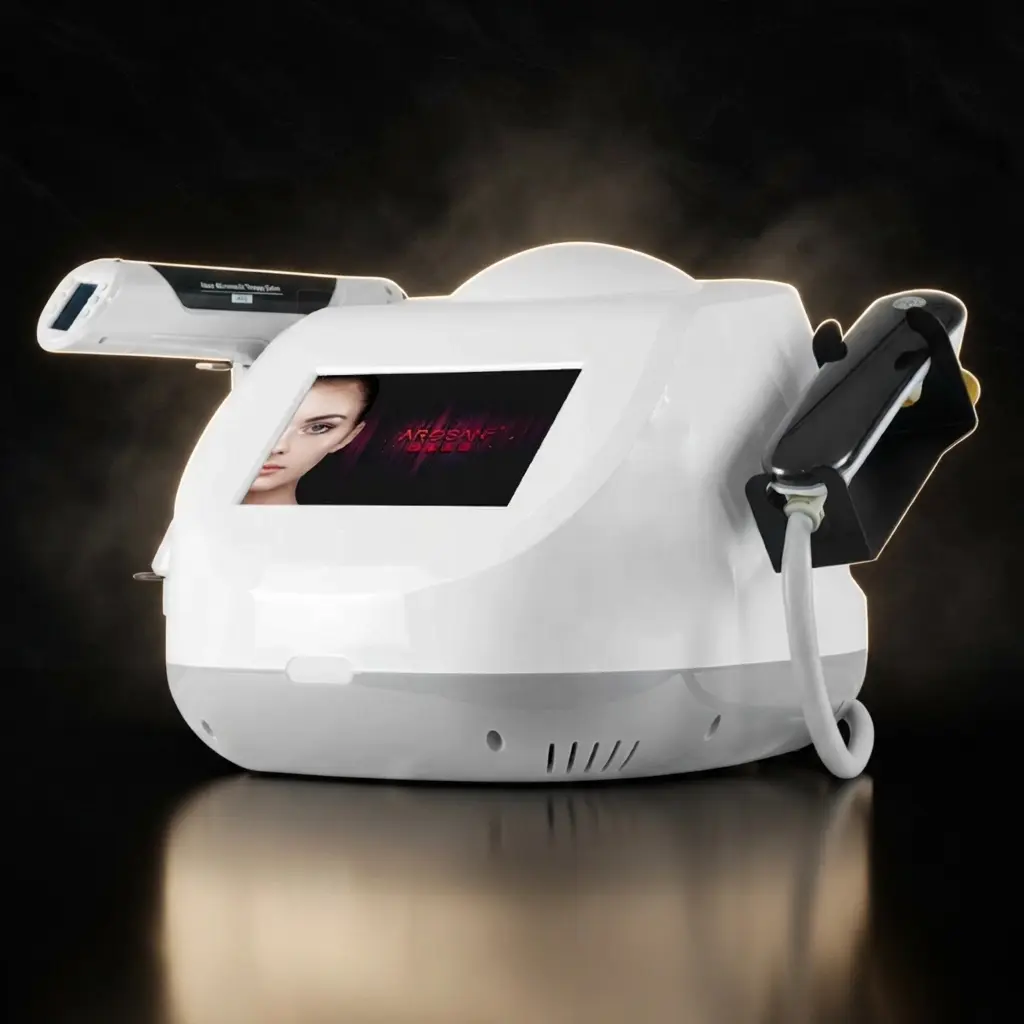
ANTIAGING RF-MTS
Radio frequency energy delivered through the needles into the dermis — the synergy of RF and microneedling for superior collagen stimulation, scar revision and advanced tightening.
View ANTIAGING RF-MTS →Microneedling vs RF Microneedling: Which Do You Need?
Standard microneedling relies on the mechanical stimulus alone — the channels and the healing cascade. RF microneedling adds radiofrequency energy delivered through insulated needles directly into the dermis, so the tissue gets both mechanical injury and controlled thermal coagulation in the same pass. The result is stronger tightening per session and better outcomes on deep scars, at a higher device cost and a longer treatment time.
| Microneedling (MTS) | RF Microneedling | |
|---|---|---|
| Energy source | Mechanical micro-channels | Micro-channels + radiofrequency heat |
| Primary results | Texture, pores, product infusion, mild scarring | Tightening, deep acne scars, advanced collagen remodeling |
| Session time | 30–45 minutes | 45–75 minutes (plus numbing) |
| Downtime | Minimal — 12–24 hours of redness | 1–3 days depending on depth and energy |
| Course | 3–6 sessions, 4 weeks apart | 3 sessions, 4–6 weeks apart |
| Device cost | Entry-level to mid | Mid to premium |
| Consumables | Sterile needle cartridges | Insulated RF needle cartridges (higher unit cost) |
| Business role | High-volume recurring service | Premium anchor treatment |
Most clinics start with a standard microneedling pen because the consumable economics are simple and the protocol is easy to train, then add an RF microneedling platform once the service is established and clients ask for stronger results. Buying both at once is also common — the two serve different price points on the same menu.
How to Choose a Professional Microneedling Pen
Six checkpoints that decide whether the pen becomes a booked service or a drawer item.
| Checkpoint | What to verify | Why it matters |
|---|---|---|
| 1. Depth range and calibration | 0.25–2.5 mm adjustable; does the setting hold under load? | Different indications need different depths; drift mid-pass means uneven results |
| 2. Motor speed (RPM) | Rated speed range, and speed stability at deep settings | Higher, stable speed means cleaner channels and less drag |
| 3. Cartridge system | Needle counts available, sterile single-use, price and lead time | Cartridges are the running cost — and availability decides your schedule |
| 4. Wired vs wireless | Battery runtime per charge; corded reliability | Wireless suits mobile therapists; wired suits fixed rooms and heavy volume |
| 5. Certification documents | CE marking, RoHS compliance — actual certificates for your market | Customs clearance and your liability file; a needle device is scrutinized |
| 6. Training and support | Protocol training, written depth-by-indication chart, spare availability | Depth selection is where most poor outcomes originate |
Applications: What Microneedling Treats
- Acne scarring — the single highest-demand MTS indication. Atrophic and boxcar scars respond to repeated collagen induction; deep rolling scars are the classic case for RF microneedling.
- Enlarged pores and texture — superficial passes refine skin surface and improve how makeup and skincare sit on the skin.
- Fine lines and early laxity — mild-to-moderate wrinkle improvement over a course; RF microneedling extends this into genuine tightening territory.
- Product infusion — mesotherapy-style protocols using the open channels to deliver serums. This is the fastest, lowest-downtime service on the menu and sells well as an add-on.
- Stretch marks and surgical scars — body protocols at deeper settings; set expectations around session count rather than promising clearance.
- Scalp protocols — microneedling of the scalp is used alongside topical hair programs; a growing add-on service in many clinics.
Frequently Asked Questions
Related Equipment
- Professional RF Machines — radio frequency platforms, including the RF side of combination anti-aging protocols
- Professional HIFU Machines — deep structural lifting to layer above microneedling work
- Hydro Dermabrasion Platform — the cleanse-and-prep step that precedes most infusion protocols
- Full Product Catalog — all 25 systems across anti-aging, body, laser, intimate care and wellness
- Inside Our Factory — see the production line and QC process behind every device
Get a Factory-Direct MTS Quote
Written by the team that builds the devices. Tell us your market, menu and target price point and we will send factory-direct pricing within 24 hours — including cartridge costs, distributor tiers and OEM options.
Request a Quote